Koloocheh (Persian Filled Cookies)

Koloocheh (Persian Filled Cookies)

کلوچه

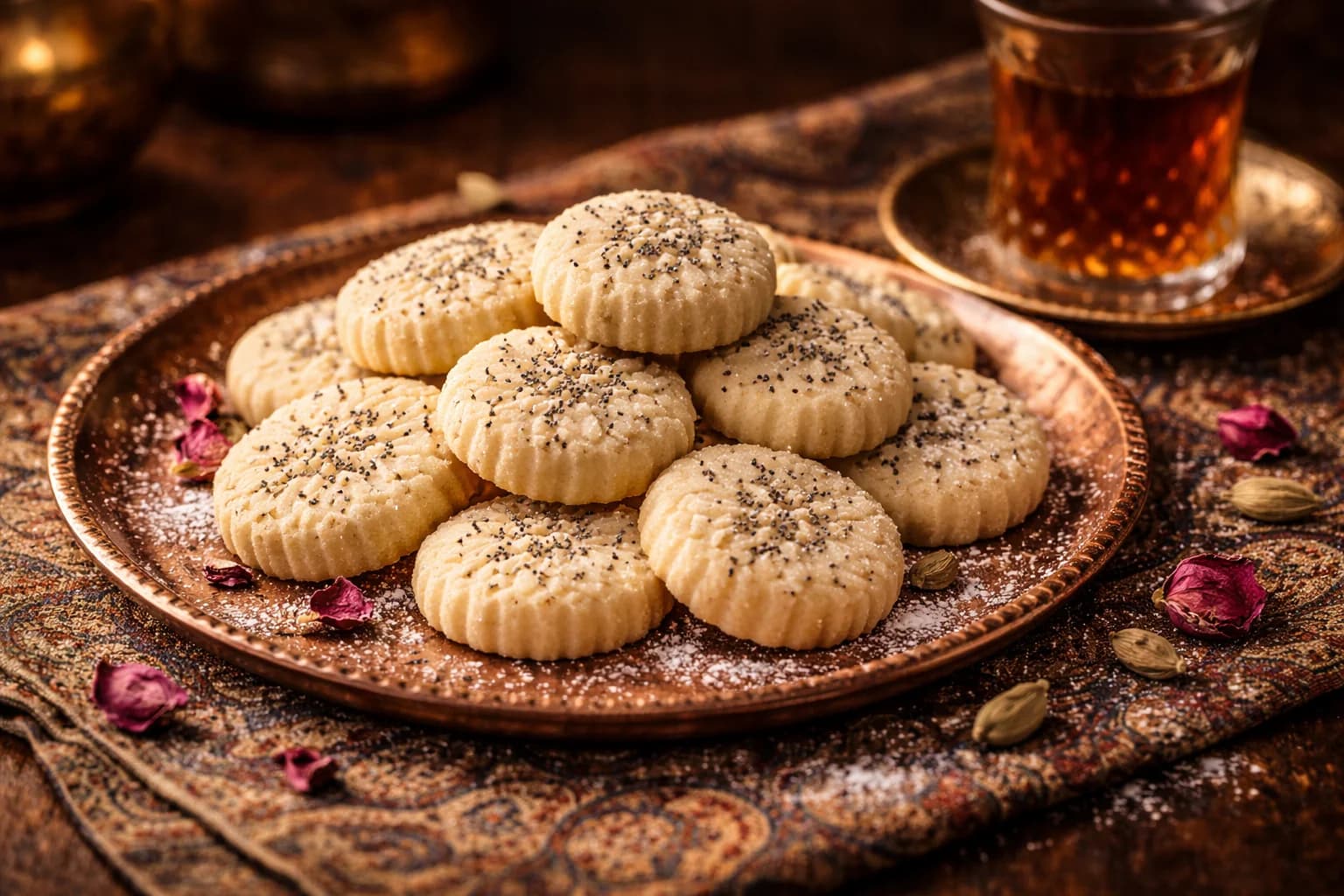
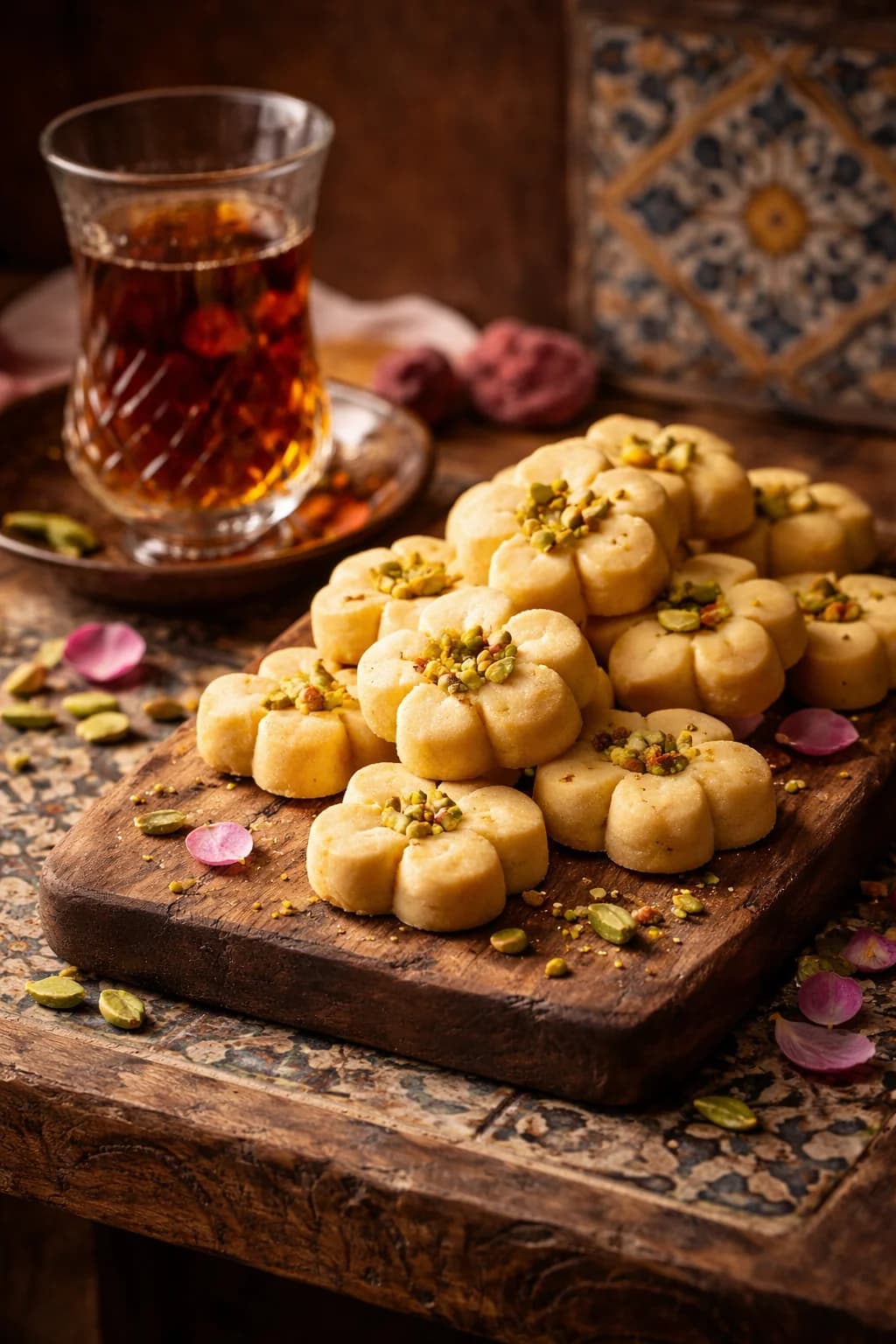
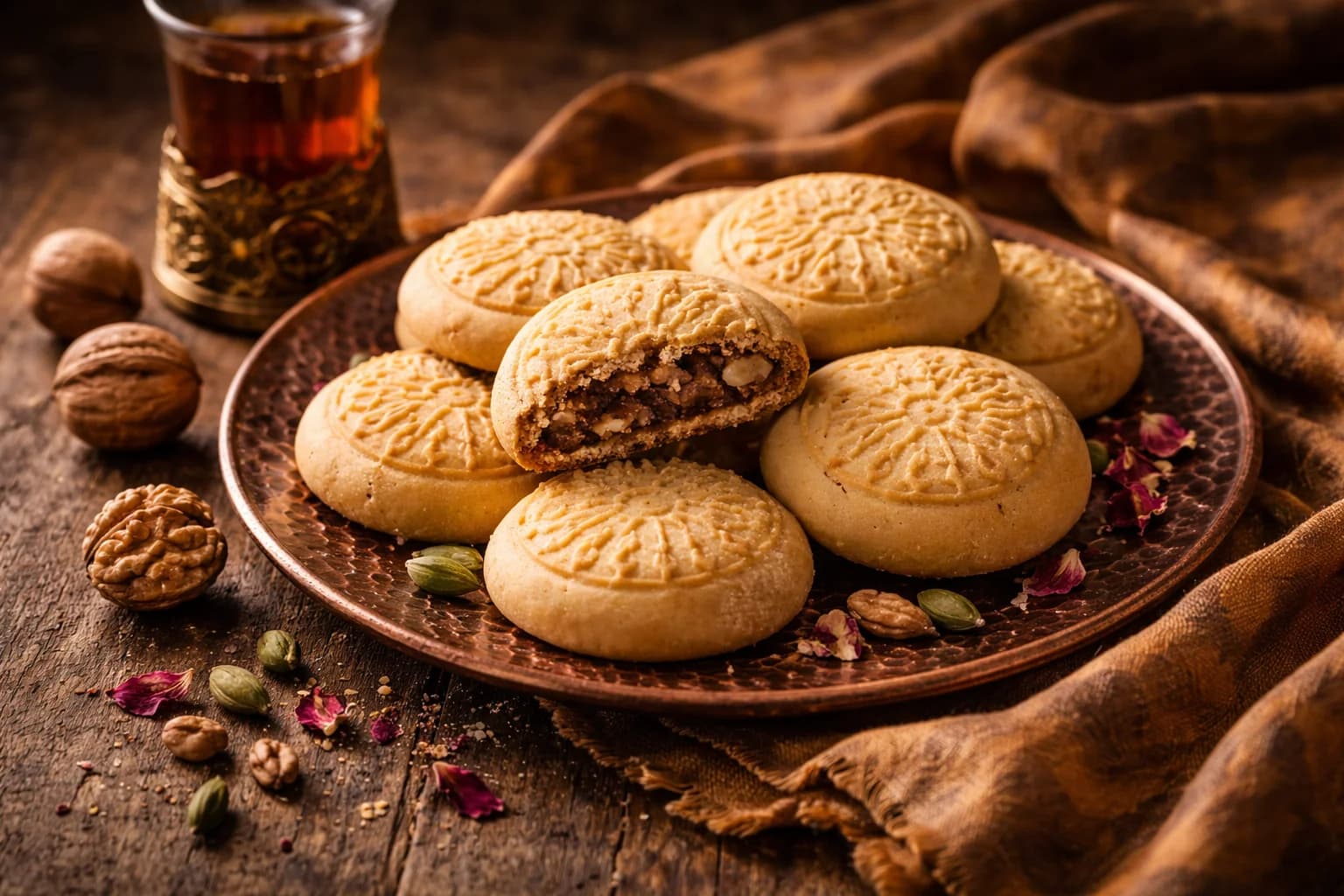
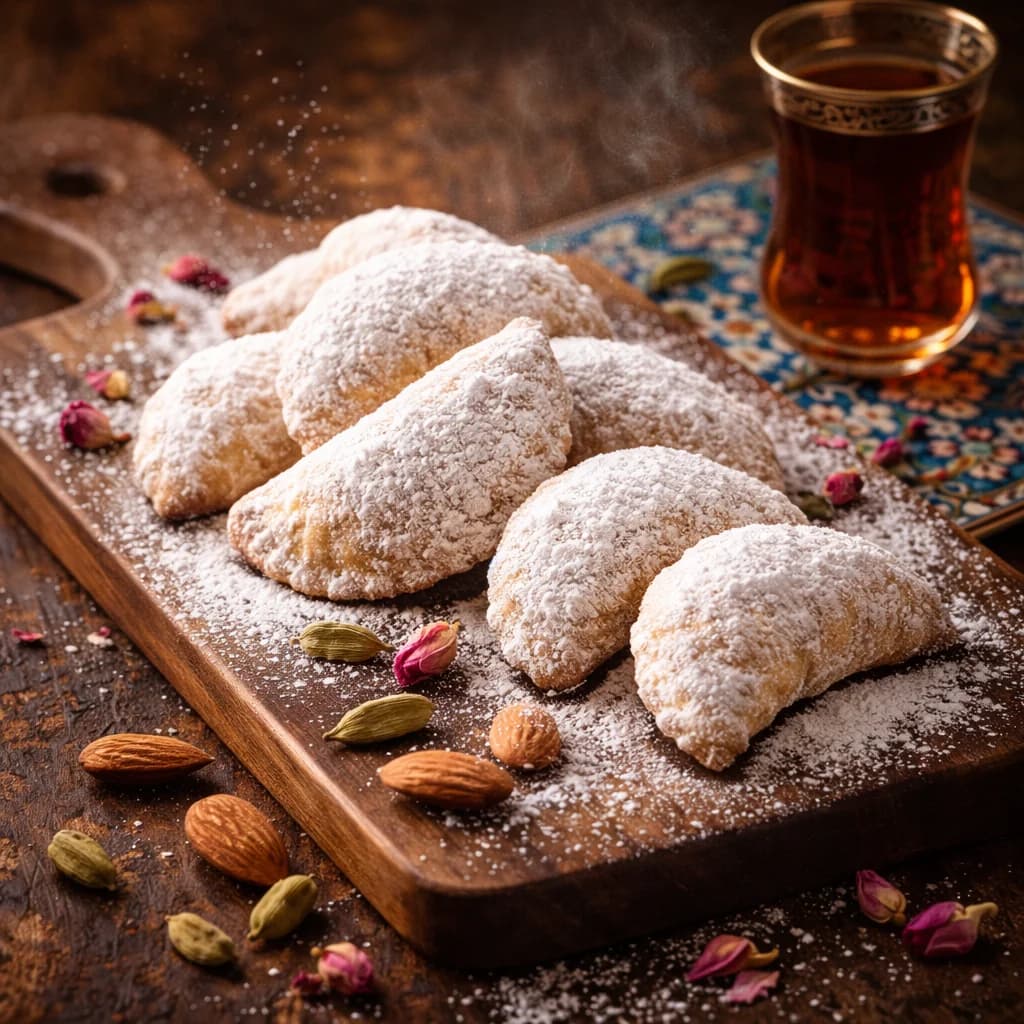
Soft, aromatic cookies with a tender crust enveloping a fragrant filling of spiced walnuts, cinnamon, and cardamom—koloocheh are the beloved stuffed cookies of northern Iran. Each region has its own style: some flat and stamped with intricate patterns, others plump and cake-like. The dough is enriched with butter and perfumed with rosewater and cardamom, yielding a cookie that's soft rather than crispy. The filling, redolent with warm spices and the richness of ground walnuts, creates a satisfying contrast. Traditionally made for Nowruz and special occasions, koloocheh are meant to be shared, offered to guests, and savored with tea.

cookiePrep: 45 minCook: 20 minintermediateServes 24

Cultural Note- Gilan

Koloocheh is the pride of northern Iran, particularly the Caspian provinces of Gilan and Mazandaran. The city of Fuman is especially renowned—its koloocheh are sought throughout Iran and are a must-buy for anyone visiting the region. The cookie's name comes from the Kurdish word for 'cookie' or 'small bread.' Regional variations abound: some koloocheh are flat and stamped with wooden molds bearing intricate patterns; others are plump and cake-like. Fillings range from spiced walnuts (most common) to dates, coconut, or even savory versions. Koloocheh are essential to Nowruz celebrations and are offered year-round to guests with tea. The warm spices—cinnamon and cardamom—make them particularly comforting in winter. A beautifully decorated koloocheh, its surface pressed with traditional patterns, is as much a work of art as a sweet treat.

Critical Moments

  • Filling moist enough to hold together
  • Not overmixing the dough
  • Chilling dough before rolling
  • Sealing edges well to prevent leaking
  • Baking until golden (not pale)
1
PREP10 min

Make the filling

In a bowl, combine the ground walnuts, granulated sugar, cinnamon, cardamom, and rosewater. Mix thoroughly until the mixture holds together when pressed. It should be moist enough to clump but not wet. Set aside.

Fragrant, clumpy mixture that holds together when pressed
SmellWarm spices—cinnamon, cardamom, walnuts
TouchMoist, holds together, not crumbly

Critical Step

The filling must be moist enough to hold together inside the cookie. Too dry and it will be crumbly; too wet and it will make the dough soggy.

If the filling seems too dry, add a bit more rosewater. If too wet, add a tablespoon of ground walnuts. It should clump easily in your palm.
2
PREP4 min

Cream the butter and sugar

In a large bowl using a stand mixer or by hand, cream the softened butter with the powdered sugar until light and fluffy, about 3 minutes. The mixture should be pale and well-aerated.

Pale, fluffy, creamy mixture
SmellSweet butter
SoundMixer whipping
TouchLight, fluffy
3
PREP3 min

Add wet ingredients

Add the egg yolks one at a time, beating well after each. Add the yogurt and rosewater, mixing until smooth. Scrape down the sides of the bowl.

Smooth, creamy mixture
SmellRosewater blooming
SoundMixing
TouchSmooth, uniform
The yogurt adds tenderness and a slight tang that balances the sweetness. Use full-fat yogurt for best results.
4
PREP5 min

Add dry ingredients

In a separate bowl, whisk together the flour, baking powder, cardamom, and salt. Add to the butter mixture in two additions, mixing just until a soft dough forms. Do not overmix—the dough should be soft and slightly sticky but workable.

Soft, pliable dough; slightly sticky
SmellCardamom, butter
SoundMixer on low
TouchSoft, smooth, slightly sticky

Critical Step

Overmixing develops gluten and makes the cookies tough. Mix only until the dough comes together. The dough should be soft—don't add more flour.

If the dough is too sticky to handle, chill it rather than adding flour. The butter will firm up and make it workable.
5
PREP35 min

Chill the dough

Wrap the dough in plastic wrap and refrigerate for at least 30 minutes until firm enough to roll. The dough should be cool and pliable, not sticky.

Chilled, firm but pliable dough
TouchCool, workable, not sticky
If chilled too long and the dough becomes hard, let it sit at room temperature for 10 minutes before rolling.
6
PREP15 min

Preheat oven

Preheat oven to 175°C (350°F). Line baking sheets with parchment paper.

Oven preheated
Medium175°C / 350°F
7
PREP15 min

Roll and cut the dough

On a lightly floured surface, roll the dough to about 4-5mm thickness. Cut into rounds using a cookie cutter or glass (about 7-8cm diameter). You'll need two rounds per cookie—one for the bottom and one for the top. Gather and re-roll scraps.

Even rounds of dough, uniform thickness
SoundRolling pin on dough
TouchSmooth, even dough
Work with half the dough at a time, keeping the rest refrigerated. If the dough becomes too soft, chill briefly.
8
PREP15 min

Fill the cookies

Place half the rounds on the prepared baking sheets. Spoon about 1 tablespoon of filling onto the center of each. Top with another round of dough and press the edges together to seal. You can crimp with a fork, use your fingers, or press with a koloocheh mold.

Sealed filled cookies; edges crimped
SmellWalnut-spice filling
TouchDough sealed around filling

Critical Step

The edges must be well-sealed or the filling will leak during baking. Don't overfill—too much filling makes sealing difficult.

For traditional flat koloocheh, press gently to flatten after sealing. For plump ones, leave them domed. Either style is authentic.
9
PREP10 min

Decorate the cookies

If using a koloocheh mold, press gently into the top of each cookie to create a pattern. Otherwise, use a fork to create a crosshatch pattern, or prick decoratively with a skewer. Brush the tops with beaten egg and sprinkle with poppy or sesame seeds.

Decorated cookies with glossy egg wash and seeds
TouchPatterned surface, seeds adhering
Traditional wooden koloocheh molds create beautiful intricate patterns. These are available at Persian specialty stores. A fork or the back of a spoon creates simpler but equally valid decoration.
10
COOK20 min

Bake

Bake for 18-22 minutes until the cookies are golden brown, with deeper golden edges. The tops should be set and the egg wash should be glossy. Rotate the baking sheet halfway through for even browning.

Golden brown cookies; glossy from egg wash; edges slightly darker
Medium175°C / 350°F
SmellBaking—butter, cinnamon, cardamom; irresistible
TouchSet, slightly firm to touch
Unlike nan-e berenji, koloocheh SHOULD brown—the golden color is correct and desirable.
Checkpoint: Check at 18 minutes. The cookies should be golden, not pale but not dark brown. The filling may peek through slightly at the edges—this is fine.
11
FINISH30 min

Cool and store

Let the cookies cool on the baking sheet for 5 minutes, then transfer to a wire rack to cool completely. Store in an airtight container at room temperature for up to 2 weeks. The cookies soften slightly over time, which many prefer.

Golden cookies with intricate patterns; seeds decorating the surface
SmellSpiced walnut filling, buttery dough
TouchSoft, tender cookie; flavorful filling
Koloocheh are best after a day when the flavors have melded and the texture has softened slightly. They freeze well for up to 2 months.

Resting Required

35 min - Dough must chill to be rollable
Extras

Equipment

stand mixer or handsrolling pincookie cutter or glassbaking sheetsparchment paperkoloocheh mold or forkstandard

Make Ahead

  • Dough and filling can be made 2-3 days ahead and refrigerated.
  • Assembled unbaked cookies can be frozen for up to 2 months (bake from frozen, adding 5 minutes).
  • Baked cookies keep 2 weeks at room temperature.

Baked cookies can be warmed briefly in a low oven to refresh.

Serve With

Sides

  • Part of Nowruz cookie spread
  • Gift boxes

Drinks

  • Persian tea (essential)
  • The spiced filling pairs perfectly with strong tea

Substitutions

walnutsEssential for traditional filling. Almonds or pistachios can substitute for different flavor profiles. Some regions use a mix.
yogurtAdds tenderness and tang. Sour cream can substitute. Some recipes use milk instead—the texture will be slightly different.
rosewaterEssential for the authentic flavor. Orange blossom water creates a nice variation.
koloocheh moldTraditional wooden molds create beautiful patterns but aren't essential. A fork, the back of a decorated spoon, or even a cookie stamp works.

Scaling

This recipe makes about 24 cookies. The dough and filling can be prepared ahead. Koloocheh freeze well both unbaked and baked. Traditional koloocheh can vary in size from small tea cookies to large palm-sized treats.

Source

Traditional · Traditional Persian cuisine, northern Iran (Gilan, Mazandaran)

Koloocheh originated in the Caspian coastal provinces of Gilan and Mazandaran, where the cookie remains a point of regional pride. The city of Fuman in Gilan is particularly famous for its koloocheh. Each family guards its recipe, and the cookies are essential to Nowruz celebrations and hospitality throughout the year.

Related Recipes

Ghotab (Persian Almond-Filled Crescent Cookies)

Ghotab (Persian Almond-Filled Crescent Cookies)

Delicate crescent-shaped pastries from Yazd, filled with a fragrant mixture of ground almonds, cardamom, and rosewater, then deep-fried to golden perfection and dusted generously with powdered sugar—ghotab are among the most refined of Persian sweets. The paper-thin dough shatters at first bite, revealing the aromatic almond filling within. Each ghotab is a small treasure: crispy, perfumed, and impossibly elegant. These crescents are the specialty of Yazd, the ancient desert city famous for its sweets, and are essential to Nowruz celebrations and special occasions throughout Iran.

Nan-e Berenji (Persian Rice Flour Cookies)

Nan-e Berenji (Persian Rice Flour Cookies)

Impossibly delicate, melt-in-your-mouth cookies made from rice flour, perfumed with rosewater and cardamom, and decorated with poppy seeds—nan-e berenji are the ethereal jewels of Persian confectionery. These pale, crumbly cookies dissolve on the tongue, leaving behind whispers of floral fragrance and gentle sweetness. The rice flour creates a texture unlike any wheat-based cookie: tender, sandy, and almost weightless. Traditionally stamped with intricate wooden molds or simply decorated with a fork pattern and poppy seeds, nan-e berenji are essential to Nowruz celebrations and welcome with tea throughout the year.

Nan-e Nokhodchi (Persian Chickpea Flour Cookies)

Nan-e Nokhodchi (Persian Chickpea Flour Cookies)

Tender, crumbly clover-shaped cookies made from chickpea flour, rich with butter and perfumed with cardamom and rosewater—nan-e nokhodchi are among the most distinctive of Persian sweets. The chickpea flour gives these cookies an unmistakable earthy sweetness and an impossibly tender texture that shatters delicately, then melts on the tongue. Traditionally shaped into four-petaled clovers (symbolizing good fortune) and decorated with slivered pistachios, nan-e nokhodchi are essential to Nowruz celebrations and prized year-round as an elegant accompaniment to tea. Their pale golden color and delicate appearance belie their intensely satisfying flavor.