
Reshte Polo (Persian Noodle Rice)

Reshte Polo (Persian Noodle Rice)

رشته پلو

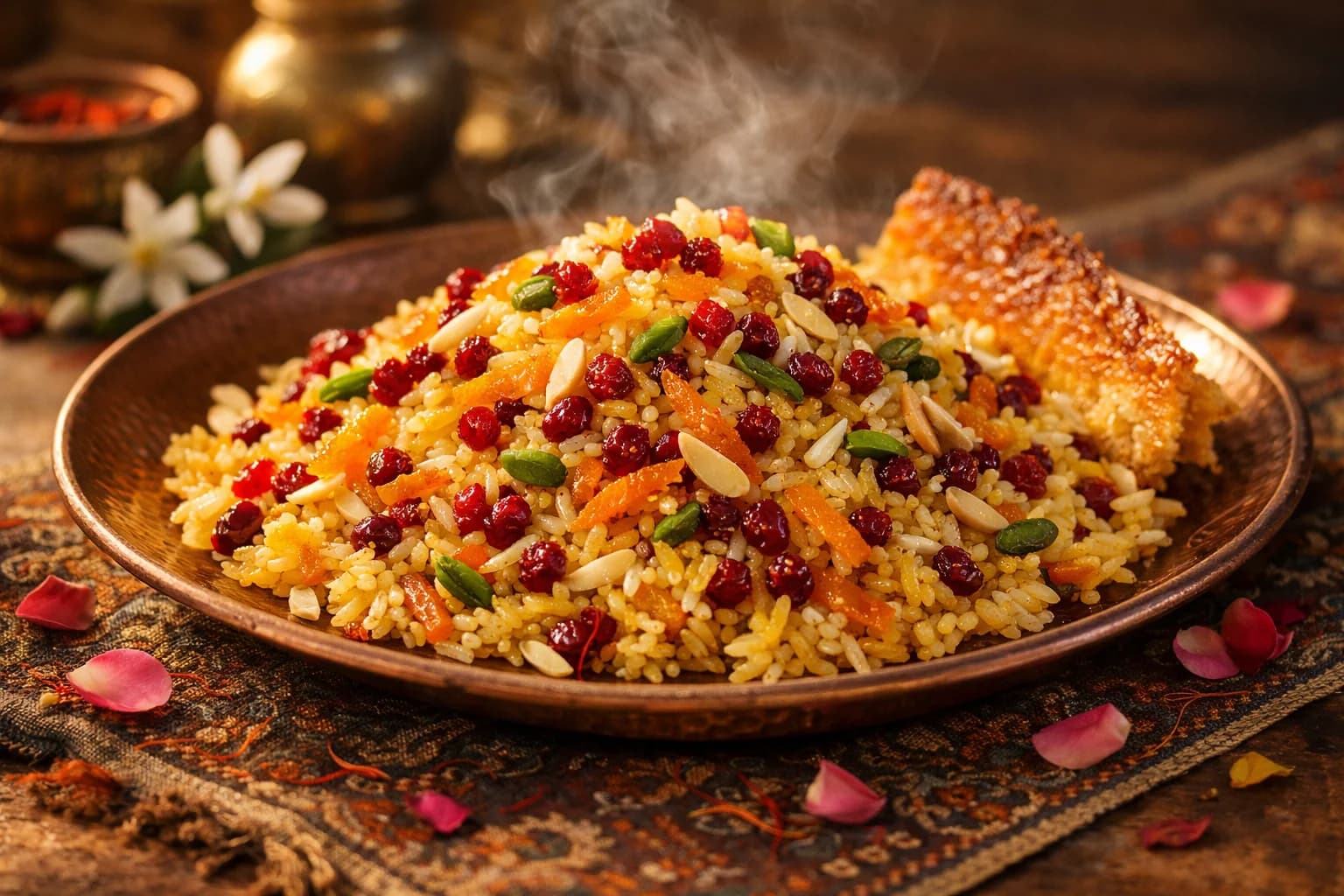
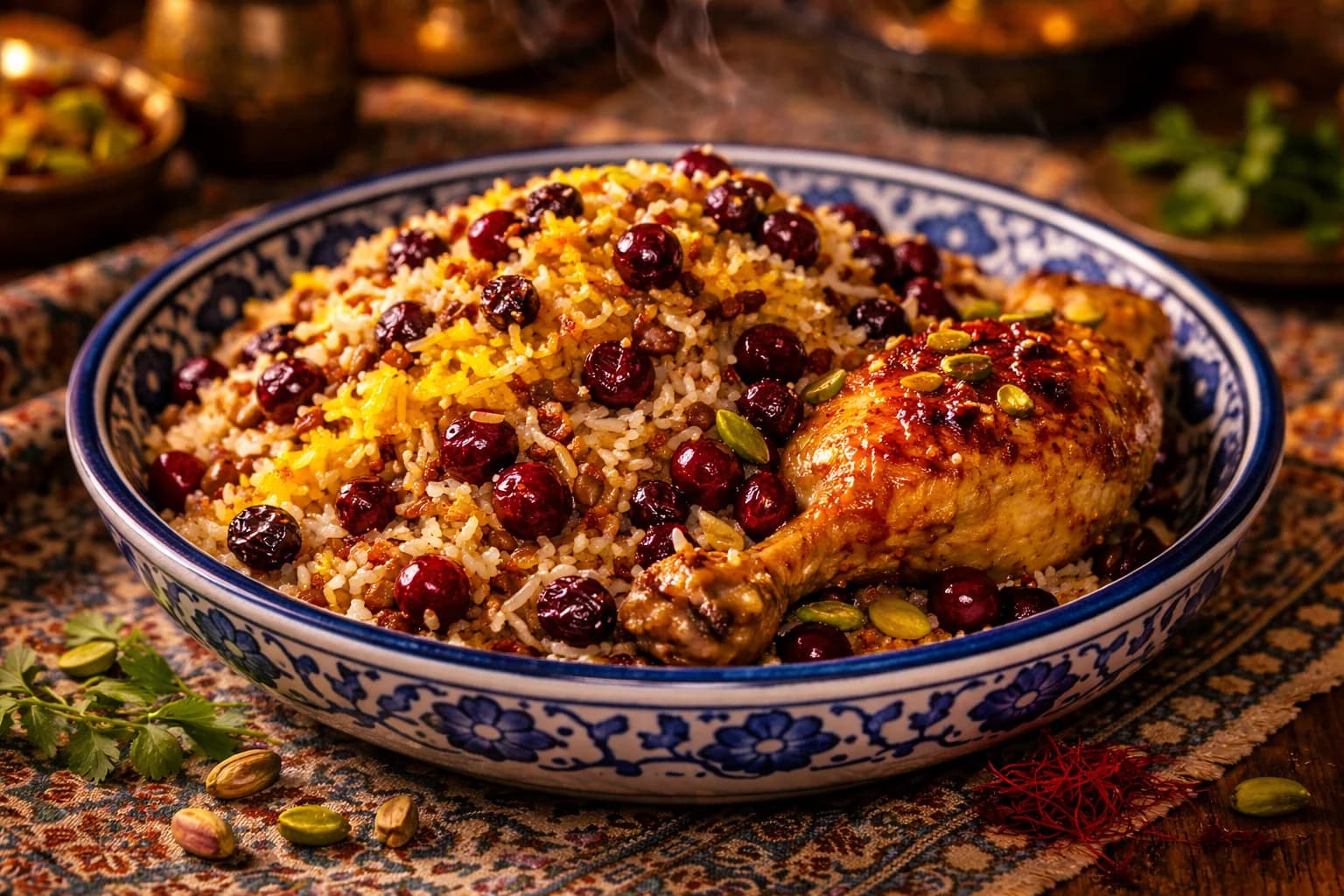
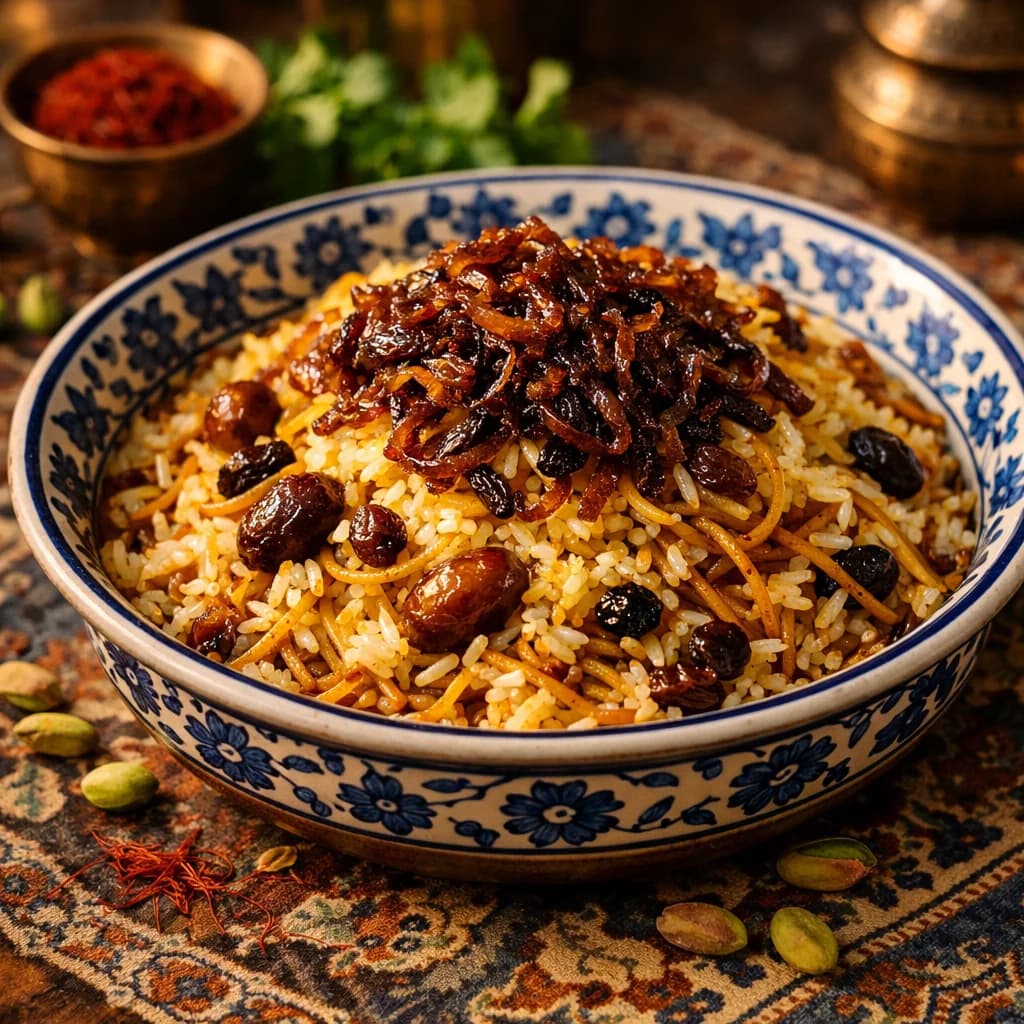
A symbolic Nowruz dish where thin toasted noodles weave through fluffy saffron rice with sweet-savory elements—raisins, dates, caramelized onions, and warm spices. The noodles represent the threads of life and new beginnings, making this an essential dish for Persian New Year celebrations. Each forkful offers the wonderful contrast of tender rice, crispy noodles, and bursts of sweetness.

ricePrep: 30 minCook: 80 minintermediateServes 6

Cultural Note

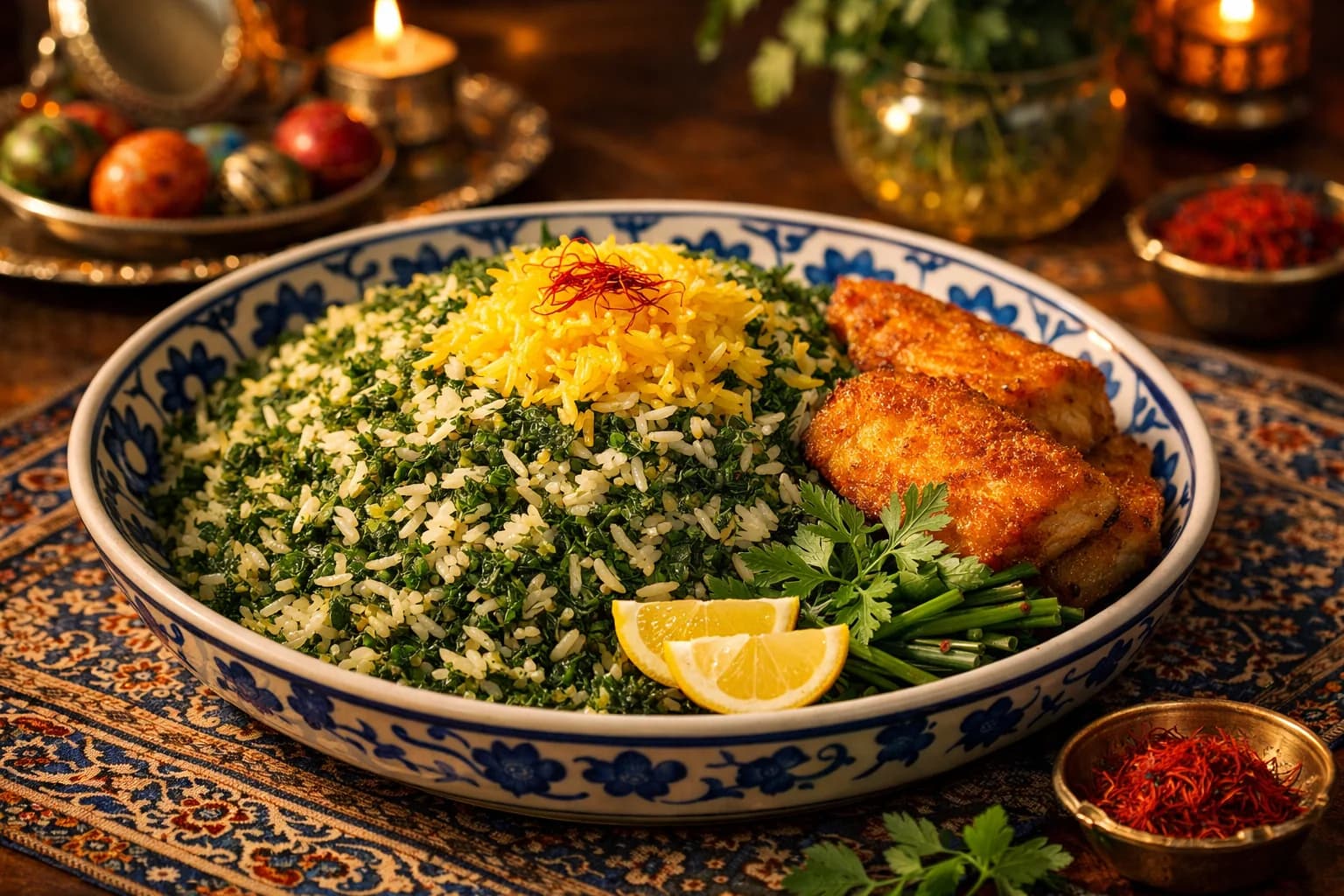
Reshte polo carries deep symbolism for Nowruz. The word 'reshte' means thread or string, and the noodles represent the threads of life—the hope that in the new year, one's life path will be straight and untangled. Serving this dish is an act of optimism, a wish for good fortune in the coming year. It's traditionally served on Nowruz eve alongside sabzi polo ba mahi.

Critical Moments

  • Toasting noodles to perfect golden brown
  • Deeply caramelizing onions (20+ minutes)
  • Proper parboiling of rice
  • Never lifting lid during steaming
1
PREP15 min

Wash and soak the rice

Place rice in a large bowl. Fill with cold water, swirl vigorously, and drain. Repeat 5-6 times until water runs mostly clear. Dissolve 1.5 tbsp salt in 1.5L lukewarm water, add rice, and soak for at least 1 hour.

Water progresses from cloudy to nearly clear; soaked grains appear elongated
TouchSoaked rice is fragile
While waiting: Toast noodles and caramelize onions while rice soaks
2
PREP3 min

Bloom the saffron

Grind saffron with a pinch of sugar using mortar and pestle. Transfer to a small bowl, add 3 tbsp hot water. Cover and steep for at least 20 minutes.

Ruby-red liquid
SmellHoney-floral saffron aroma
3
COOK6 min

Toast the noodles

Break noodles into 5cm pieces if using long pasta. Heat 30ml oil in a large skillet over medium heat. Add noodles and toast, stirring constantly, for 4-6 minutes until golden brown. Watch carefully—they go from perfect to burnt quickly.

Noodles are evenly golden-brown, some spots darker
Medium175°C / 350°F
SmellToasted, nutty aroma—like toasted bread
SoundCrackling as noodles toast
TouchNoodles are crispy and snap easily

Critical Step

Toasting the noodles is what makes this dish special—it adds nutty flavor and textural contrast. Un-toasted noodles become soft and unremarkable. Burnt noodles are bitter. This step defines the dish.

Stir constantly and watch the color. Remove from heat while slightly lighter than desired—residual heat continues toasting.

Common Mistakes

  • Heat too high (burns before evenly toasted)
  • Not stirring enough (uneven toasting)
  • Toasting too far (bitter taste)
  • Skipping this step entirely (misses the point)
4
COOK25 min

Caramelize the onions

In the same skillet (or another large pan), heat 60ml oil over medium-high heat. Add sliced onions and cook for 20-25 minutes, stirring occasionally, until deeply caramelized. In the last 5 minutes, add 1 tbsp sugar to help caramelization. Season with salt. Reserve half for topping.

Onions are deep mahogany brown, some pieces crispy
Start at 190°C / 375°F, reduce as onions color
SmellIntensely sweet, caramelized onion aroma
SoundInitial sizzling calms as onions concentrate
TouchMix of soft caramelized pieces and crispy edges

Critical Step

Deeply caramelized onions provide essential sweetness and flavor. Pale onions won't contribute the same depth. This step takes time—don't rush.

The sugar helps achieve deeper color and crispier edges. Wide pan = more surface area = better caramelization.
5
COOK5 min

Prepare raisins and dates

In a small pan, melt 30g butter over medium-low heat. Add raisins and sauté for 2 minutes until plumped. Add chopped dates, cinnamon, and cardamom if using. Warm through for 2 minutes. Add 1 tbsp saffron water. Set aside.

Raisins are plump and glossy; dates are warmed and glistening with spices
Medium-Low150°C / 300°F
SmellSweet, spiced fruit aroma with saffron
SoundGentle sizzle
TouchRaisins soft and plump
Don't overcook—dried fruit burns easily. Just warm through to soften.

Common Mistakes

  • Heat too high (fruit burns)
  • Cooking too long (fruit becomes hard)
6
COOK10 min

Prepare meat if using

If using meat: brown ground meat with diced onion, salt, and pepper until cooked through. Or form small meatballs and brown. Set aside.

Meat is browned and cooked through
Medium-High190°C / 375°F
SmellBrowned meat
SoundSizzling
Meat is optional—many families make reshte polo vegetarian for Nowruz
7
COOK7 min

Parboil the rice

Bring 3L water with 2 tbsp salt to a rolling boil. Drain soaked rice and add to boiling water. Boil for 5-7 minutes until al dente—soft outside with a tiny firm core.

Rice grains elongated; water is starchy
HighRolling boil
SmellClean rice aroma
SoundActive boiling
TouchAl dente—soft exterior, tiny firm core

Critical Step

Proper parboiling ensures fluffy rice.

8
COOK2 min

Drain the rice

Immediately drain rice into a fine-mesh strainer. Rinse briefly with lukewarm water. Shake gently to drain.

Separate, fluffy grains
TouchGrains distinct and light
9
COOK2 min

Combine rice with noodles

Gently fold the toasted noodles into the parboiled rice. Be careful not to break the noodles too much—you want visible strands throughout.

White rice with golden noodle strands distributed throughout
SmellToasted noodles with rice
TouchMix of soft rice and crispy noodles
Fold gently—both rice grains and toasted noodles are fragile
10
COOK6 min

Prepare tahdig and layer

In a non-stick pot, combine 30ml oil with 2 tbsp saffron water. Mix 1.5 cups rice-noodle mixture with 1 tbsp saffron water and spread on bottom for tahdig. Layer remaining rice-noodle mixture alternating with the raisin-date mixture and half the caramelized onions: rice, then fruit, then rice, then onions. If using meat, layer it in the middle. Build into a pyramid. Poke 5-6 steam vents.

Layered pyramid with visible noodle strands and glimpses of dark raisins/dates
SmellSaffron, toasted noodles, sweet fruit
Reserve some fruit mixture for garnish. The tahdig will have noodles in it—beautiful when unmolded.
11
COOK50 min

Steam the rice

Drizzle remaining melted butter over the rice. Place pot over medium-high heat uncovered for 3-4 minutes until steam rises. Wrap lid with a clean kitchen towel, place tightly on pot. Reduce heat to lowest setting. Steam for 45-50 minutes.

Steam rising initially; then covered—trust the timing
Initial high heat 3-4 min, then lowest setting
SmellRice steaming with sweet elements; toasted noodles; toasting tahdig
SoundInitial sizzle, then very quiet

Critical Step

Proper steaming ensures fluffy rice and crispy tahdig. The towel absorbs condensation. Never lift the lid.

12
FINISH8 min

Rest and unmold

Remove from heat and let rest 5 minutes. Remove lid. Gently fluff rice with a fork, mixing layers slightly while keeping some visible. Spoon onto a serving platter. Unmold tahdig—it will have golden noodle strands running through it.

Fluffy rice with visible noodle strands, raisins, and dates; tahdig with noodle pattern
SmellAromatic rice with sweet fruit and toasted noodles
SoundTahdig releasing
TouchFluffy rice; some crispy noodles; tahdig with noodle pattern
13
FINISH

Garnish and serve

Top with reserved caramelized onions and remaining fruit mixture. Drizzle remaining saffron water for golden streaks. Arrange tahdig pieces around the platter. For Nowruz, present beautifully—this is a symbolic dish.

Festive presentation with golden rice, visible noodle strands, dark caramelized onions, and jewels of fruit
The visual contrast matters—white rice, golden noodles, dark onions, ruby raisins. This is Nowruz food—make it beautiful.

Resting Required

5 min - Allows tahdig to release cleanly
Extras

Equipment

large potnon-stick potlarge skilletfine mesh strainerkitchen towelstandard

Make Ahead

  • Noodles can be toasted days ahead—store airtight at room temperature.
  • Caramelized onions keep refrigerated for a week.
  • Fruit mixture can be made 1-2 days ahead.
  • Rice must be made fresh.

Leftover rice reheats in a covered pan with butter.

The noodles will soften somewhat but dish remains delicious.

Serve With

Sides

  • Sabzi polo ba mahi (traditional Nowruz pairing)
  • Kuku sabzi
  • Mast-o-khiar
  • Torshi

Drinks

  • Sharbat-e sekanjabin
  • Doogh
  • Black tea

Substitutions

persian noodlesThin egg noodles, fideo, or linguine broken into pieces. Vermicelli works but is thinner. The key is toasting them well.
datesDried figs, dried apricots, or more raisins can substitute
raisinsGolden raisins, currants, or dried cranberries work
saffronEssential for the Nowruz presentation—don't skip for holiday version

Scaling

Scales well for Nowruz gatherings. Noodle toasting can be done in batches. The sweet elements (raisins, dates) scale proportionally. This is traditionally made in generous quantities for holiday celebrations.

Source

Traditional · Nowruz traditional cuisine

One of the symbolic dishes of Nowruz (Persian New Year), representing good fortune and new beginnings. The noodles symbolize the threads of fate and the hope for an untangled year ahead.

Related Recipes