
Torshi Sir (Persian Pickled Garlic)

Torshi Sir (Persian Pickled Garlic)

ترشی سیر

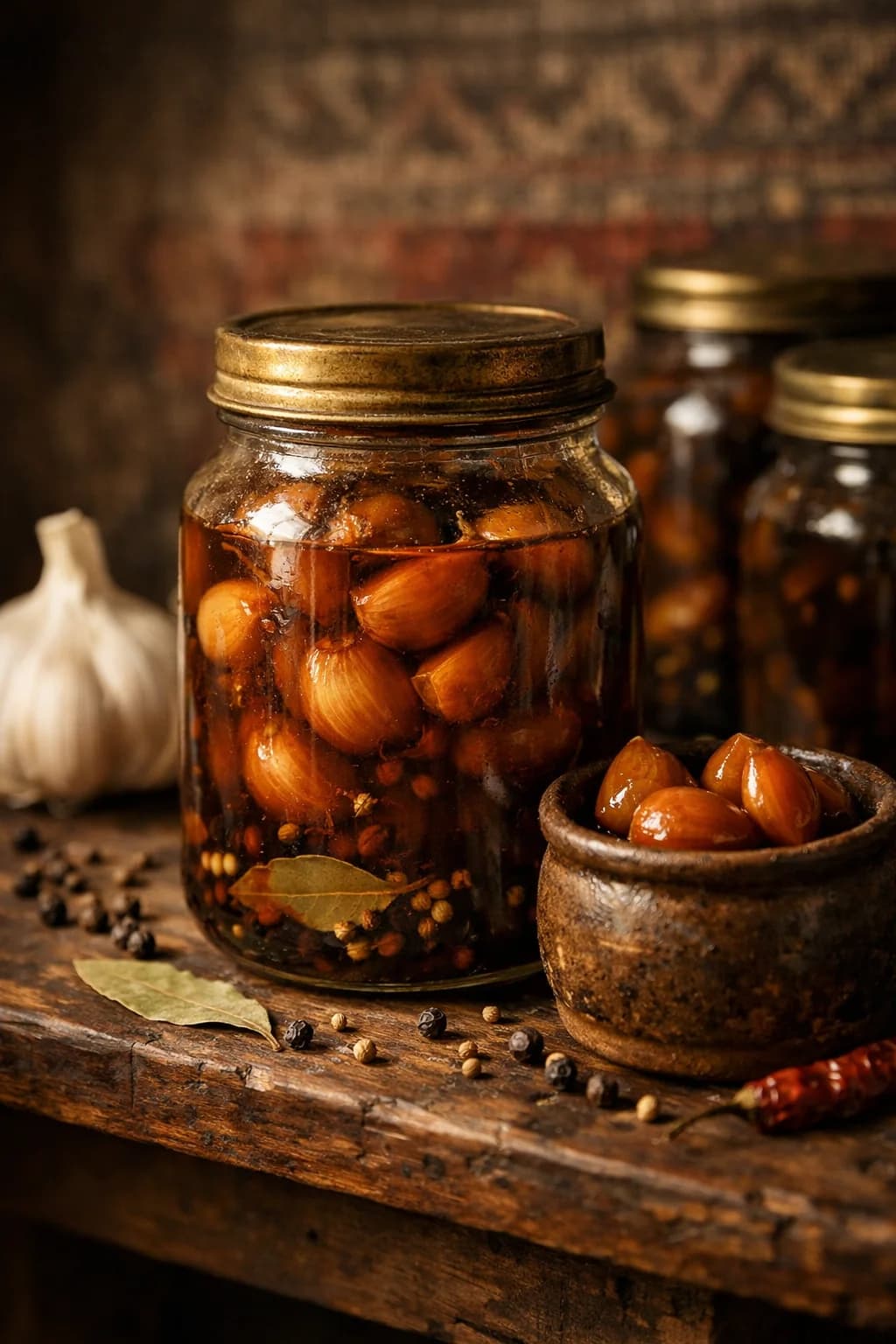
Whole garlic cloves slowly transformed over months into tender, mellow, golden nuggets—torshi sir takes garlic's assertive pungency and gentles it into something almost sweet, deeply savory, and utterly addictive. Pickled in vinegar with Persian spices, the garlic mellows dramatically while absorbing complex flavors. What begins as sharp and biting becomes soft, tangy, and beautifully nuanced. Aged torshi sir is a prized condiment, eaten whole alongside rice and kebabs, or minced into dishes for its unique fermented depth. This is a patience project—minimum three months, ideally a year—but the result is extraordinary.

picklePréparation: 45 minCuisson: 0 mineasyPour 60

Note culturelle

Torshi sir occupies a special place in Persian cuisine—it's the most revered of all pickles, requiring the most patience and yielding the most prized results. Fresh garlic is pungent and assertive; aged pickled garlic is mellow, complex, and deeply savory—a transformation that amazes first-time tasters. The best torshi sir is aged for a year or more, during which time the garlic turns from white to golden to deep amber, and its texture softens to almost buttery. In Iran, a jar of well-aged torshi sir is a treasure—given as a thoughtful gift, brought out for special guests, and spoken of with pride. The youngest acceptable torshi sir is about 3 months old; serious torshi makers wait at least a year. Some families have jars aging for several years. The garlic is eaten whole as a condiment, its mellowed flavor nothing like raw garlic—more like a savory, tangy, almost sweet delicacy.

Moments Critiques

  • Selecting fresh, high-quality garlic
  • Complete submersion in vinegar
  • Using vinegar with at least 5% acidity
  • Patience—minimum 3 months, ideally 6-12+
1
PRÉPARATION35 min

Select and peel the garlic

Choose fresh, firm garlic heads without soft spots, mold, or sprouting. Separate into cloves and peel completely—this is the most time-consuming step. Keep cloves whole; discard any damaged cloves. You should have about 400g peeled cloves.

Firm, white, whole peeled garlic cloves
OdeurSharp, fresh garlic
TextureFirm, crisp cloves

Étape Critique

The quality of the garlic determines the quality of the torshi. Fresh harvest garlic (available in late summer/fall) is ideal. Any damaged or soft cloves can spoil the entire batch.

Fresh garlic from the farmers market in late summer/early fall is best—it's moister and fresher than stored supermarket garlic. To peel easily, press cloves firmly with the flat of a knife.

Erreurs Courantes

  • Using old, dried-out garlic (inferior flavor)
  • Including soft or damaged cloves (can cause spoilage)
2
PRÉPARATION1440 min

Optional: Salt the garlic

Some recipes call for salting the garlic first: place peeled cloves in a bowl, toss with 1 tablespoon salt, and let sit for 24 hours. This draws out moisture and begins the preservation. Drain any liquid before jarring. This step is optional but traditional.

Garlic has released some liquid; slightly more translucent
OdeurGarlic, slightly less sharp
TextureSlightly softened
The pre-salting step isn't strictly necessary but can speed up the pickling process and help draw out excess moisture. If you're impatient, you can skip it.
3
PRÉPARATION3 min

Combine spices

In a small bowl, combine the golpar, nigella seeds, coriander seeds (if using), dried tarragon (if using), and dried mint (if using). These spices will be layered with the garlic.

Aromatic spice mixture
OdeurGolpar's distinctive tangy aroma; herbal notes
Golpar is essential for authentic torshi sir—its unique citrusy-tangy flavor is irreplaceable. The other spices are more flexible.
4
PRÉPARATION5 min

Layer garlic and spices in jar

In a clean, sterilized glass jar, layer the garlic cloves with sprinkling of the spice mixture every few layers. Pack fairly tightly but don't crush the cloves. Leave about 3cm headspace at the top.

White garlic cloves with dark spice specks throughout; tightly packed
OdeurGarlic and spices
TextureFirmly packed
The layering distributes spices evenly. Don't worry about perfect distribution—the vinegar will circulate flavors over time.
5
PRÉPARATION2 min

Add salt and sweetener

Sprinkle the remaining salt over the top of the garlic. If using grape molasses or date syrup, drizzle it over the garlic. These add color and a subtle sweetness that balances the tang.

Salt and dark syrup visible on top layer
OdeurSweet date or grape syrup
The grape molasses or date syrup is optional but traditional—it adds complexity and helps the garlic develop a beautiful amber color. The torshi will be delicious without it, just paler.
6
PRÉPARATION3 min

Add vinegar

Pour vinegar over the garlic, making sure to cover the cloves by at least 2cm. Press down gently to release any air bubbles trapped between cloves. The garlic must be completely submerged.

Garlic completely covered by vinegar; no cloves exposed
OdeurSharp vinegar
SonBubbles rising

Étape Critique

Complete submersion is essential for preservation. Any garlic above the vinegar line can mold. Use enough vinegar—you may need more than specified depending on how tightly packed your jar is.

If garlic floats, place a small piece of cheesecloth or a grape leaf on top to keep cloves submerged.

Erreurs Courantes

  • Not using enough vinegar (garlic exposed)
  • Air pockets remaining (can cause issues)
7
FINITION2 min

Seal and begin aging

Wipe the jar rim clean with a dry cloth. Seal tightly with a non-reactive lid (glass, plastic, or plastic-lined metal—bare metal reacts with vinegar). Store in a cool, dark place.

Sealed jar with white garlic cloves visible
OdeurSealed—no smell
Label the jar with the date—you'll want to know how old it is. Check occasionally in the first week to ensure garlic remains submerged; press down if needed.
8
FINITION129600 min

Age with patience

Let the torshi sir age for a minimum of 3 months before opening. For best results, wait 6-12 months or longer. Over time, the garlic will soften, mellow, and turn from white to golden to deep amber. The vinegar will become cloudy and the flavors will deepen dramatically.

Progression: white → ivory → golden → amber; vinegar becomes amber-colored
OdeurInitially sharp, becoming mellow and complex over time
TextureInitially firm, becoming soft and almost creamy

Étape Critique

Time is the essential ingredient. Young torshi sir (under 3 months) is still pungent and harsh; aged torshi sir is mellow, complex, and sublime. There's no shortcut—the transformation requires months.

The color progression tells you the age: white (young), ivory (2-3 months), golden (6 months), deep amber (1+ year). Taste at different ages to experience the transformation.
9
FINITION0

Serve and store

Once aged to your liking, the torshi sir is ready to enjoy. Serve whole cloves as a condiment alongside rice, stews, and kebabs. The mellow garlic can be eaten whole, minced into dishes, or mashed into sauces. Once opened, refrigerate and use within 6 months (though it keeps much longer).

Golden-amber cloves; soft but intact
OdeurMellow, tangy, complex—nothing like raw garlic
TextureSoft, almost creamy; easily pierced with a fork
Well-aged torshi sir is a delicacy—serve it proudly to guests. The pickling liquid is also valuable: use it in dressings, marinades, or anywhere you want tangy depth. Unopened jars keep for years.

Repos Requis

129600 min - Aging transforms harsh raw garlic into mellow, complex delicacy; minimum 3 months, best at 6-12 months

Extras

Équipement

large glass jar with lidstandard

Préparer à l'Avance

  • Torshi sir IS a make-ahead food—it requires months of aging.
  • Make in autumn when fresh garlic is available.
  • Unopened jars keep for years.
  • Once opened, refrigerate and use within 6 months.

N/A—served cold or at room temperature as a condiment

Servir Avec

Accompagnements

  • Served as a condiment with any Persian meal
  • Particularly with rice and stew
  • Alongside kebabs
  • With bread and cheese

Boissons

  • Persian tea
  • Doogh

Substitutions

garlicFresh, firm garlic is essential—no substitute. Use fresh harvest garlic from late summer/fall if possible. Avoid pre-peeled garlic (often treated with chemicals).
golparEssential for authentic flavor. Substitute: angelica seeds (closest match) or caraway seeds (different but acceptable). The unique tangy flavor won't be replicated.
vinegarWhite wine vinegar is traditional. Apple cider vinegar adds fruitiness. Distilled white vinegar works but is harsher. Must be at least 5% acidity.
grape molassesAdds sweetness and color. Substitute: date syrup, pomegranate molasses, or honey. Can be omitted—torshi will be paler but still excellent.

Mise à l'échelle

This recipe makes about 1 liter of torshi sir. Scale based on garlic availability—the recipe is very simple, just garlic, vinegar, salt, and spices. The key is patience. Make large batches if you have the garlic; torshi sir keeps for years and makes wonderful gifts.

Source

Traditionnel · Traditional Persian cuisine

Torshi sir is considered the king of Persian pickles—the most prized and the most patience-requiring. Traditionally made in autumn when fresh garlic is abundant, the best torshi sir is aged for a year or more. Families often keep jars aging for special occasions, and very old torshi sir is given as a precious gift.

Recettes similaires

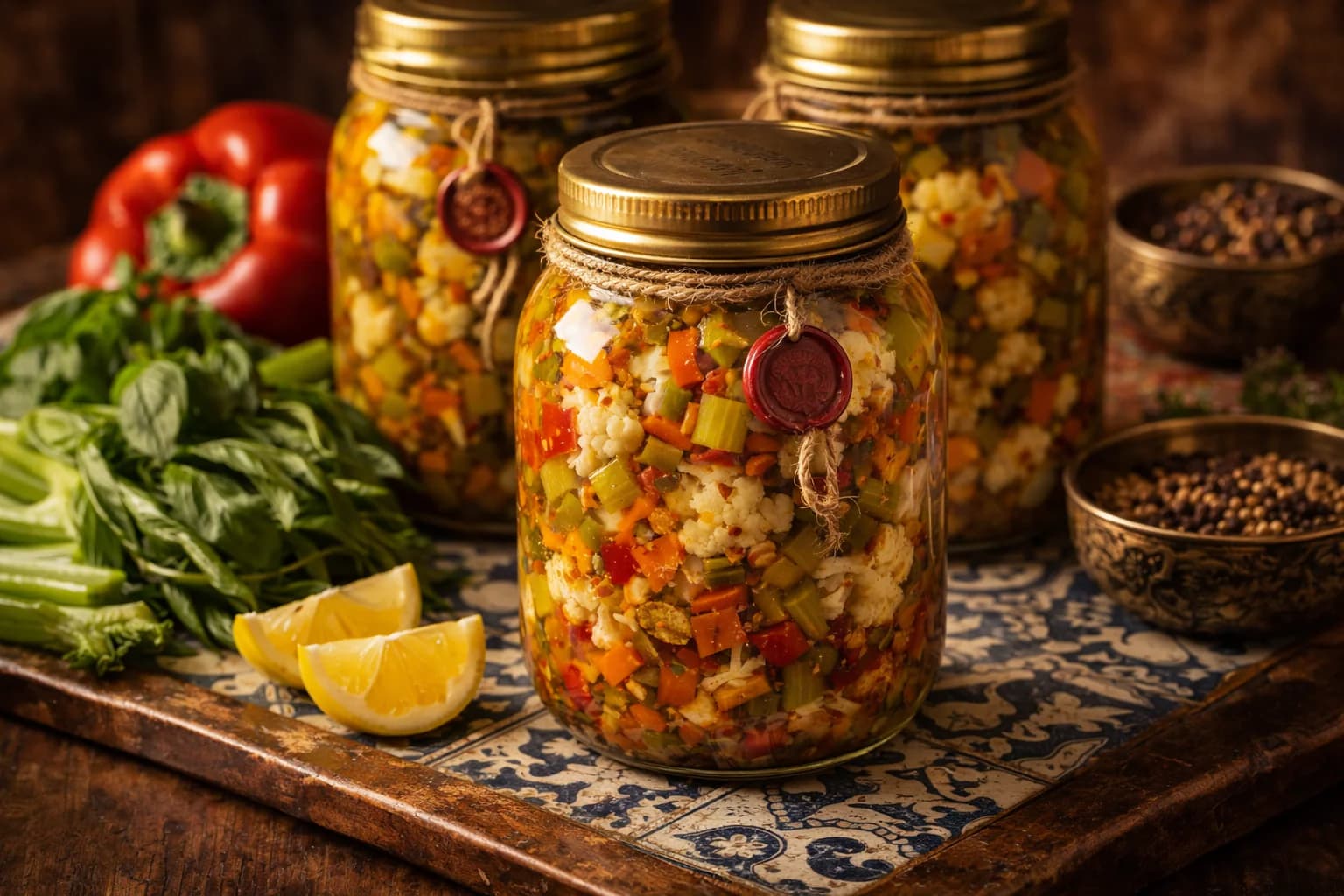
Torshi Liteh (Persian Mixed Vegetable Pickle)

Torshi Liteh (Persian Mixed Vegetable Pickle)

The crown jewel of Persian pickles—a vibrant, chunky medley of vegetables transformed by weeks of soaking in spiced vinegar into something magnificently tangy, aromatic, and complex. Torshi liteh features a colorful array of cauliflower, carrots, celery, peppers, eggplant, and herbs, all infused with the warmth of golpar (Persian hogweed), nigella seeds, and garlic. This isn't a quick pickle but a fermented treasure that improves with age, the flavors melding and deepening over months. A spoonful of torshi liteh alongside rice and stew is essential to the Persian table—its bright acidity cuts through richness and awakens the palate.

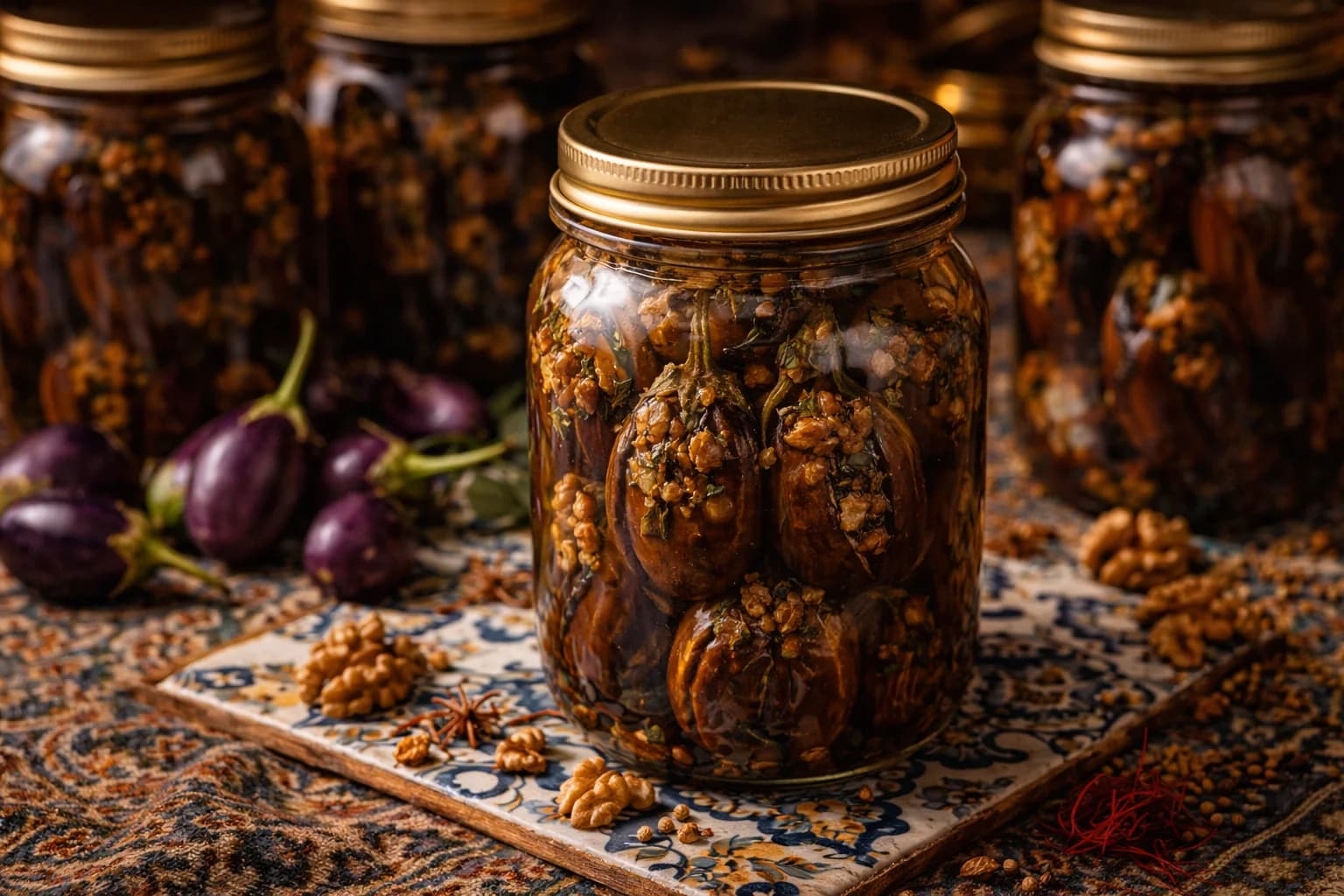
Torshi Bademjan (Persian Stuffed Pickled Eggplant)

Torshi Bademjan (Persian Stuffed Pickled Eggplant)

Small eggplants stuffed with an aromatic blend of garlic, walnuts, herbs, and spices, then pickled in spiced vinegar until tender and intensely flavorful—torshi bademjan is the most elegant and labor-intensive of Persian pickles. Each little eggplant is a treasure chest of flavors: the silky, tangy flesh yielding to a fragrant filling of crushed walnuts, golden garlic, fresh herbs, and the distinctive warmth of golpar. This is a showpiece pickle, brought out for special occasions and honored guests. The preparation is a labor of love, but the result—after weeks of patient aging—is extraordinary.

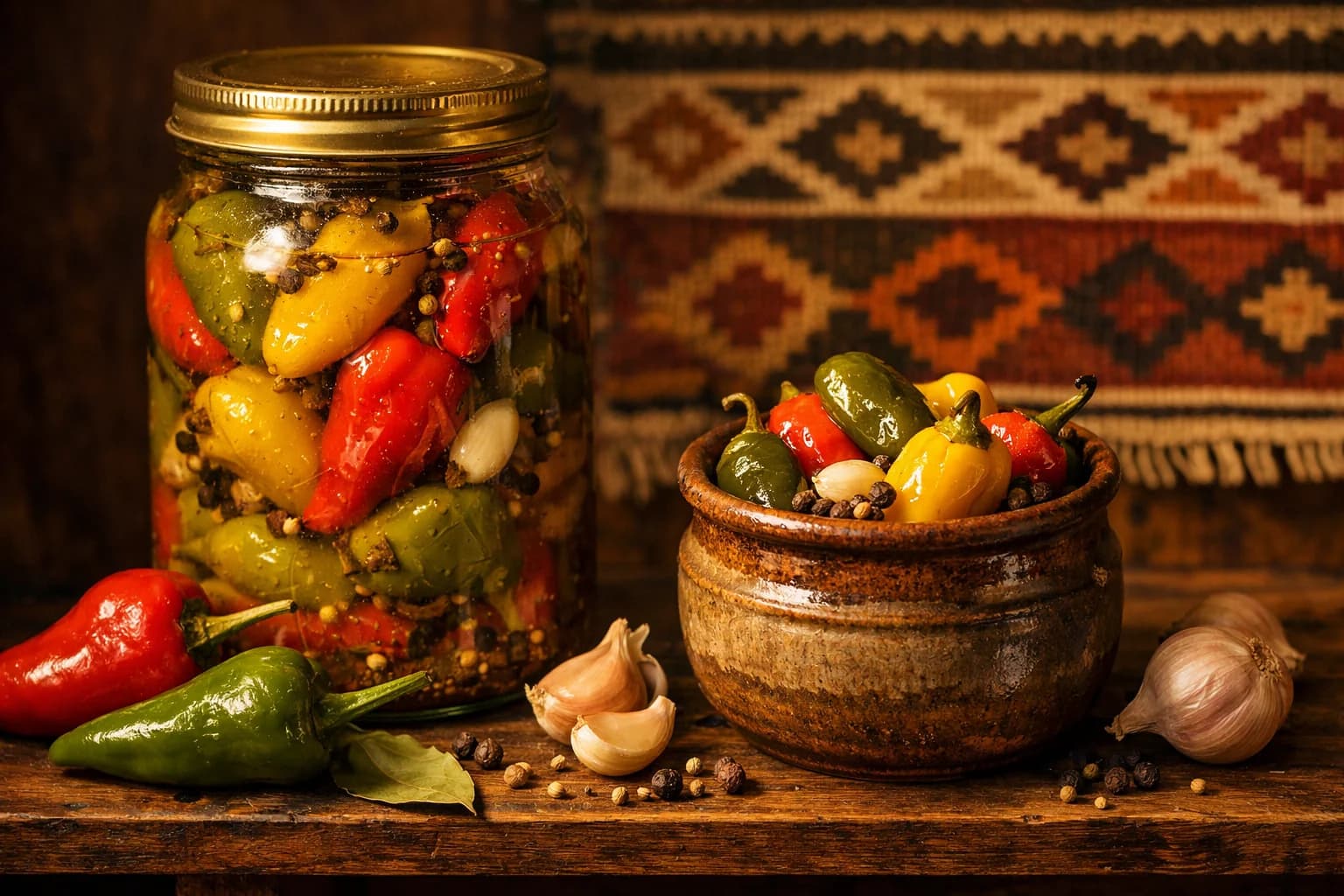
Torshi Felfel (Persian Pickled Peppers)

Torshi Felfel (Persian Pickled Peppers)

Vibrant, tangy, and versatile—torshi felfel transforms sweet or hot peppers into crunchy, flavor-packed pickles that brighten any meal. This straightforward pickle showcases peppers in all their glory, from mild bell peppers to fiery serranos, preserved with vinegar, garlic, and Persian spices. The peppers retain their satisfying crunch while absorbing the tangy, aromatic brine. Whether you prefer mild or spicy, whole or sliced, torshi felfel is one of the quickest and most rewarding Persian pickles to make—ready in just a few weeks and perfect alongside rice, kebabs, and stews.