Dizi-ye Lapeh (Split Pea Dizi)

Dizi-ye Lapeh (Split Pea Dizi)

دیزی لپه

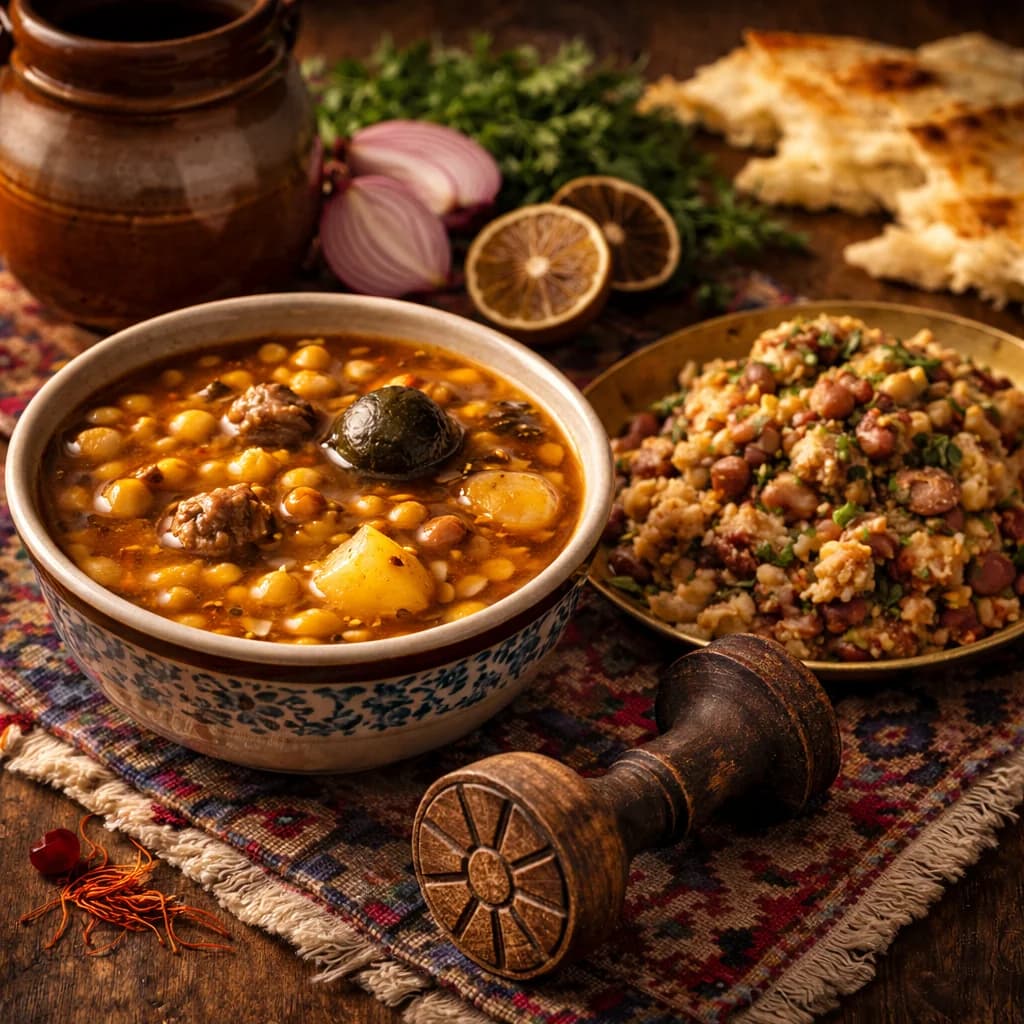
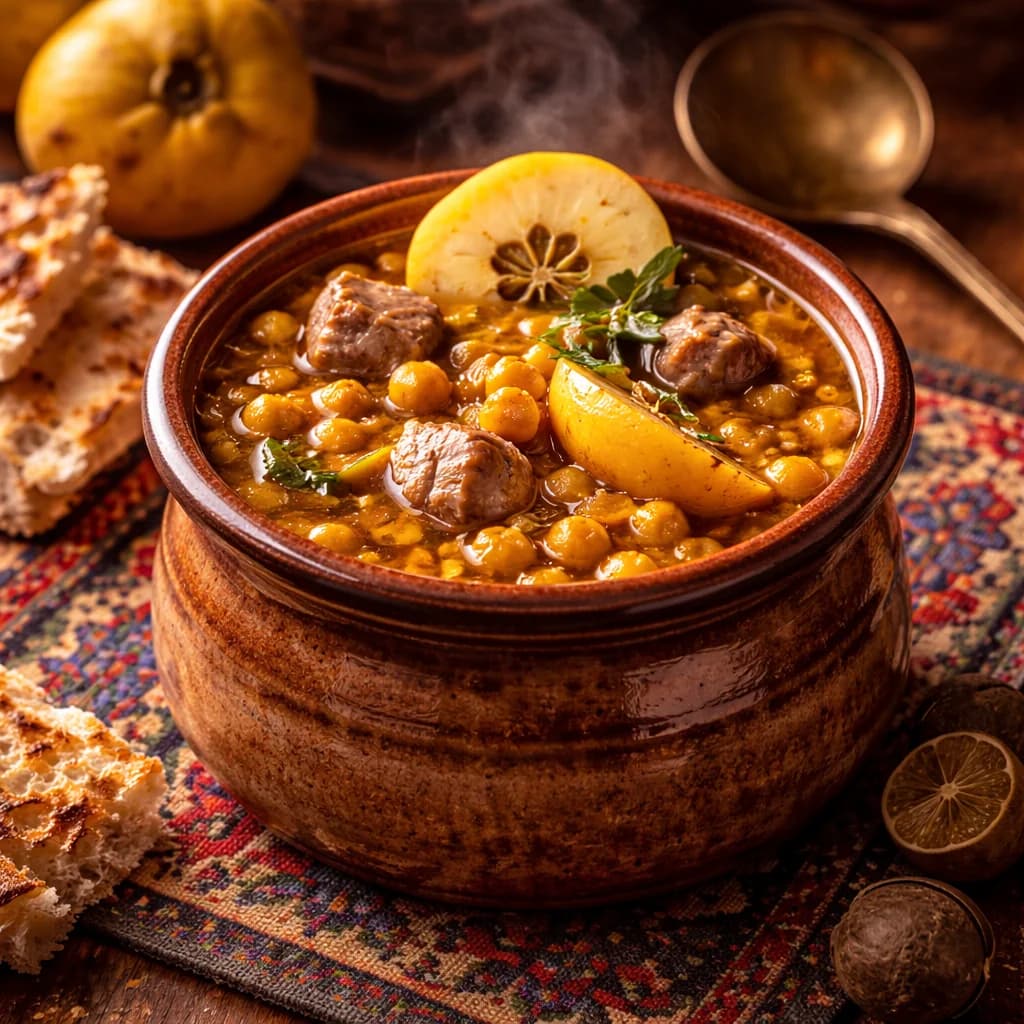
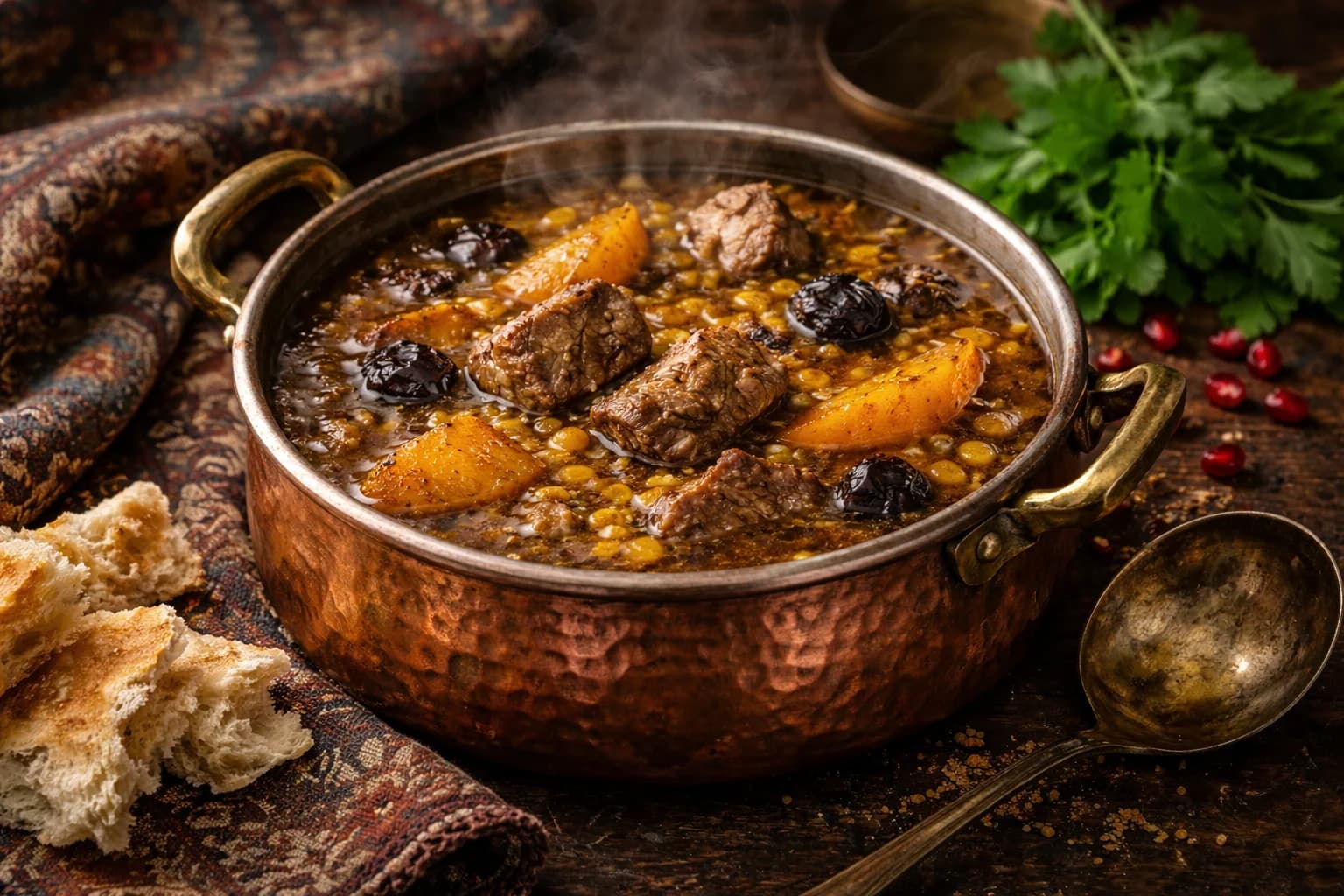
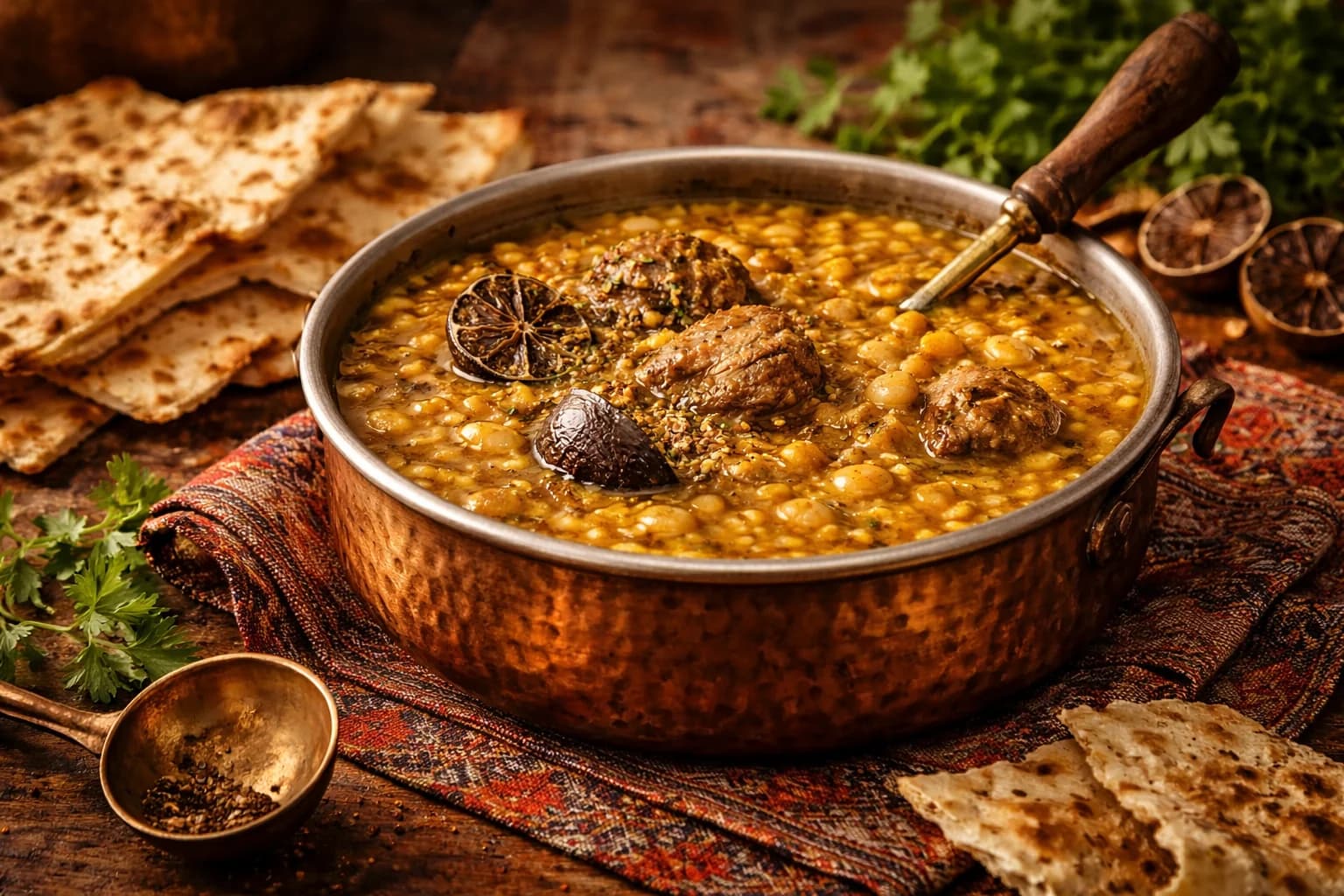
A heartier variation of the classic dizi where yellow split peas replace or join the chickpeas, creating a thicker, more porridge-like consistency when mashed. The split peas break down during cooking, naturally enriching and thickening the broth. A more economical, everyday version beloved in Iranian homes.

diziPréparation: 15 minCuisson: 150 mineasyPour 6

Note culturelle

Lapeh (split peas) have been a staple protein source in Persian cuisine for millennia. This version of dizi is considered more rustic and everyday—the split peas stretch the dish further and create a naturally thicker, more filling meal. Popular in working-class households and rural areas.

Moments Critiques

  • Stirring occasionally to prevent split peas from sticking
  • Managing liquid level as split peas absorb water
  • Achieving the characteristic thick consistency
1
PRÉPARATION5 min

Prepare the split peas

Rinse yellow split peas in several changes of water until water runs clear. Unlike chickpeas, split peas don't require soaking—they cook relatively quickly. If using chickpeas as well, ensure they're soaked overnight.

Split peas are bright yellow; water runs clear
OdeurSlightly earthy split pea aroma
TextureDry split peas feel smooth
No soaking needed for split peas—one advantage of this version
2
CUISSON5 min

Build the pot

Place lamb pieces in a large pot. Add split peas (and soaked chickpeas if using), quartered onion, and pierced dried limes. Add turmeric, salt, and pepper. Pour in water to cover by 5cm.

Yellow split peas visible among meat
Split peas will cloud the broth more than chickpeas—this is normal and desirable
3
CUISSON15 min

Bring to boil and skim

Bring to a boil over high heat. Skim foam from surface. Split peas produce more starchy foam than chickpeas—keep skimming for 15 minutes.

More foam than usual due to split peas; broth will be slightly cloudy
HighFull boil
OdeurStarchy, meaty
SonRolling boil
Don't worry about the cloudier broth—split peas naturally create a thicker, more opaque liquid
4
CUISSON90 min

Simmer until split peas break down

Reduce heat to low. Cover with lid slightly ajar. Simmer for 1.5 hours. Stir occasionally—split peas can stick to the bottom. Add hot water if level drops significantly. Split peas will begin to break down and thicken the broth.

Broth becoming thicker and more golden; split peas starting to dissolve
LowGentle simmer
OdeurRich, developing lamb broth with earthy split pea notes
SonGentle bubbling

Étape Critique

Split peas absorb liquid and can stick/burn on the bottom. Stirring occasionally and monitoring liquid level prevents this. The natural thickening is desirable—it's the characteristic of this version.

Stir gently from the bottom every 20-30 minutes to prevent sticking

Erreurs Courantes

  • Not stirring (split peas stick and burn)
  • Not adding enough water (stew becomes too thick too early)
  • Heat too high (scorches on bottom)
Point de contrôle: At 1 hour, broth should be noticeably thicker than standard abgoosht
5
CUISSON45 min

Add potatoes and tomatoes

Add quartered potatoes and tomatoes. If broth seems very thick, add another cup of hot water. Continue simmering for 45 minutes until potatoes are tender and meat falls off bone.

Potatoes and tomatoes nestled in thick, golden broth
LowGentle simmer
This version naturally has a thicker broth than standard abgoosht—embrace it
6
FINITION5 min

Final seasoning

Taste and adjust salt—the split peas absorb a lot of seasoning. The broth should be well-seasoned, thick, and tangy from the dried limes. Stir in dried mint.

Thick, golden broth with mint flecks; consistency is heartier than standard abgoosht
OdeurDried mint blooming in hot broth
TextureBroth coats a spoon more than standard version
The dried mint adds freshness that balances the earthiness of split peas
7
FINITION5 min

Separate and mash

Transfer solids to a bowl. The mash will be naturally smoother and more porridge-like than chickpea versions due to the dissolved split peas. Mash everything together—the texture should be thick and spreadable. Serve broth (it will be thicker than usual) with bread, then the hearty mash with accompaniments.

Thick, smooth mash with golden color from split peas; porridge-like consistency
TextureSmoother, more cohesive than standard goosht koobideh
This version mashes more easily than all-chickpea versions—the split peas create natural creaminess

Extras

Équipement

grande marmite lourdegoosht koobstandard

Préparer à l'Avance

  • Makes excellent leftovers—thickens further overnight.
  • May need water when reheating.

Add water and reheat gently, stirring to prevent sticking.

Servir Avec

🍚Not served with rice—bread is traditional

Accompagnements

  • Sangak or lavash bread
  • Torshi
  • Raw onion
  • Fresh herbs

Boissons

  • Doogh
  • Black tea

Substitutions

yellow split peasChana dal (Indian split chickpeas) work similarly. Red lentils cook too fast and become mushy.
dried limeEssential—the tanginess is crucial.
lambBeef works but lamb is traditional

Mise à l'échelle

Scales easily. Split peas thicken the broth significantly—may need extra water when scaling up. Very forgiving recipe.

Source

Traditionnel · Traditional home cooking

An everyday home version—more economical than all-chickpea versions. Split peas were historically less expensive and more readily available.

Recettes similaires